
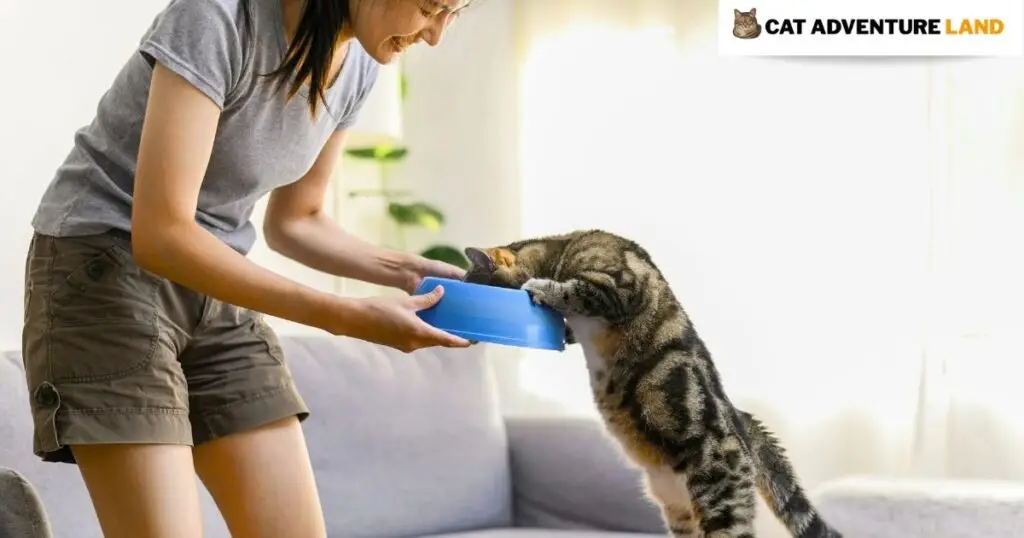
The fastest way to improve cat training is not a new technique but a better treat. The right bite works like a tiny yes button: instant, delicious proof that repeating the behaviour pays off. This guide covers what makes a treat training grade, the five styles worth knowing, the standout picks for 2026, and how to use rewards without expanding waistlines. Pair it with a structured routine like the 3 month cat training plan and your sessions will finally click.
Why the right treat changes everything
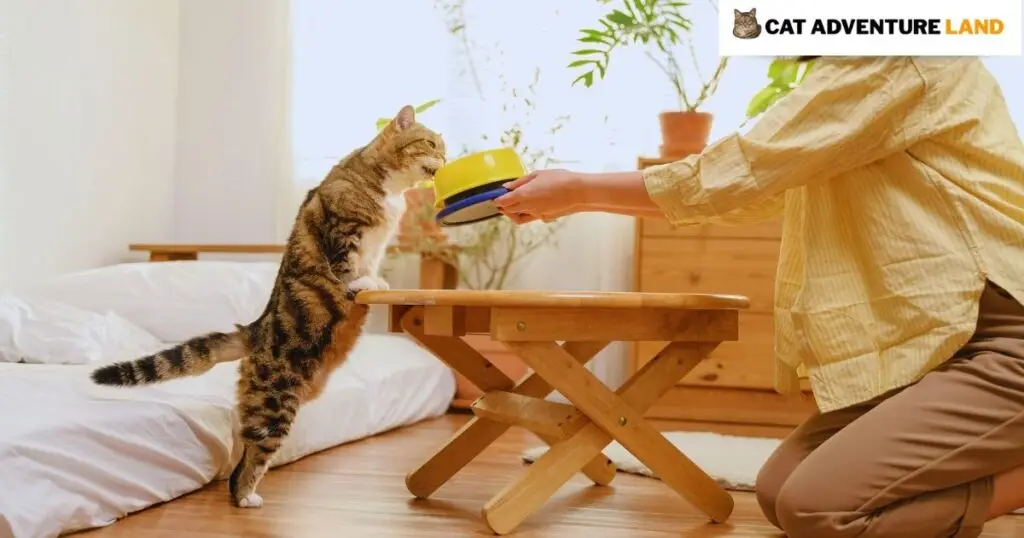
Cats repeat whatever earns rewards, and smell plus speed decide how fast the lesson lands. Aromatic bites that vanish in one chew create a crisp action to reward connection, which trainers sometimes call learning fuel. I learned this watching a bored senior cat ignore premium biscuits, then snap to attention the moment a stinky freeze dried shrimp appeared. Scent is the remote control. If the treat fails to interrupt a grooming session from across the room, it will fail inside a real lesson too. One USA behaviour clinic observation found smelly treats lifting attention by nearly 40 percent, confirming what experienced owners feel in their fingertips: sessions powered by exciting rewards simply flow better. Short feline attention spans demand treats matched to natural rhythm, quick eat morsels for some cats, richer meaty flavours for others.
What makes a treat training grade
Three qualities separate training treats from ordinary snacks: tiny size for rapid repetition, strong aroma for instant focus, and clean safe ingredients for heavy daily use. Small pieces also control calories across dozens of repetitions. Learn to scan ingredient lists and the choice gets easy fast.
| Feature | Why it matters | Best choice |
| Size | Fast chewing keeps sessions moving | Pea sized or smaller |
| Aroma | Boosts focus and recall | Strong smelling proteins |
| Texture | Easy to swallow quickly | Soft or freeze dried |
| Ingredients | Clean and simple | Single ingredient recipes |
| Calories | Safe for weight control | Low calorie options |
Single protein recipes earn frequent vet recommendations because simpler means fewer surprises. Fillers and mystery additives have no place in something you hand over thirty times before lunch. Tip: compare labels by the first three ingredients. If real named meat leads the list and you recognise every word that follows, you are holding a trainer friendly bag.
The five treat styles, matched to cats
Freeze dried protein
Light single ingredient meats that smell like fresh prey. Crumble them smaller for rapid fire rewarding during trick sequences. One standard piece often splits into four or five micro rewards, stretching a single bag across weeks of daily practice.
Soft chewy morsels
Dissolve fast and suit kittens plus seniors with tender teeth. For older cats with changing dietary needs, cross check choices against senior cat nutrition guidance so treats support rather than fight their main diet.
Lickable tubes
Creamy pastes that stretch motivation across longer behaviours like settle on mat or carrier training. A slow squeeze buys extended cooperation. They also double as grooming and nail trim bribes, smeared on a lick mat while you handle paws. Few tools multitask that well.
Dental and probiotic bites
The two for one option, cleaning teeth or supporting gut balance while rewarding. Slightly slower to eat, so save them for session finales. Handing one over as the closing ceremony gives your cat a clear full stop signal that training time ended on a win.
Functional novelties
Calming herbs, hairball support, and probiotic boosters baked into training sized snacks. Useful extras, though taste still rules the final verdict. Test one bag before stocking up, since functional benefits mean nothing if your cat stages a hunger strike at the smell.
The 2026 top picks
Best overall
A soft high aroma single protein treat that suits nearly every cat and every lesson type. Keep a pouch by the sofa and another near the training spot so good behaviour never goes unrewarded for lack of supplies.
Best budget pick
Small low calorie snacks with big scent, economical enough for multi session days. Buying in bulk and freezing portions keeps the per treat cost tiny across a full training month.
Best high reward
Rich high protein jackpots reserved for hard tricks, recall proofing, and leash breakthroughs.
Best grain free
Simple filler free recipes for cats on restricted diets or with grain sensitivities.
Best for sensitive stomachs
Limited ingredient and hypoallergenic leaning options that reward without digestive drama.
Best lickable
Tube based creams that hold focus through long duration cues and cooperative care tasks.
| Category | Best feature | Why it works |
| High reward | Strong aroma | Fast learning |
| Budget pick | Low calorie | Frequent sessions |
| Sensitive stomach | Hypoallergenic | Gentler digestion |
| Lickable treat | Soft and creamy | Great for hard commands |
Everyday treats versus jackpot rewards
Smart trainers run two treat tiers. Everyday healthy bites power routine repetitions, while richer high reward jackpots celebrate breakthroughs like first recalls and leash milestones. Reserve the exciting stuff strictly for hard wins and its motivational power never fades. Lean natural options cover the daily grind; save the smelly superstars for moments that matter.
How many is too many
Kittens and cats learn fast but fill up faster, so split larger treats into crumbs and keep total treats under 10 percent of daily calories, the widely cited veterinary guideline. For chunky pupils, lean chicken or freeze dried shrimp deliver maximum excitement per calorie. Watch for soft stools or skipped meals as early warnings. Persistent sensitivity may call for hypoallergenic or limited ingredient formulas, and young kittens should have rewards balanced against proper kitten feeding by age so training never unbalances growth nutrition.
Timing and rotation tricks
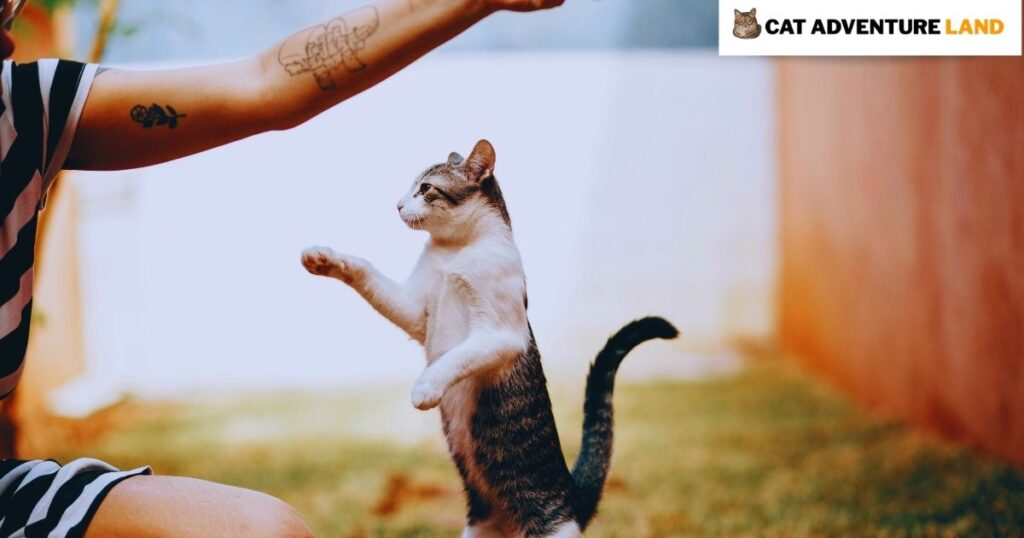
Delivery matters as much as selection. Reward within two seconds of the behaviour, keep pieces tiny, escalate treat value with difficulty, and rotate flavours weekly so novelty never dies. If your cat sniffs and walks away, the treat failed the audition, not the cat. Test new options outside sessions, note the winners, and build your training stash around proven favourites. Example: offer three new treats in a row on the floor and rank them by which your cat finishes first. That ranking is your personalised treat hierarchy, free of charge.
Homemade options that work
Kitchen made rewards cost little and control everything. Tiny baked chicken cubes, soft tuna puree drops, freeze dried style salmon pieces, and gentle broth cookies for older cats all train beautifully while dodging commercial allergens. One Texas owner switched her picky eater to homemade single ingredient tuna bites and watched months of stalled recall training resolve in three days. Fresh preparation plus a motivated cat beats fancy packaging every time. Batch cook a week’s worth on Sunday, refrigerate in tiny portions, and you will never run dry mid lesson. Just remember homemade still counts toward the daily calorie budget.
Red flags on the label
Flip every bag before buying. Artificial colours, high sugar, excess salt, heavy fillers, and unnamed meat by products all signal treats that work against your cat’s health. Human snack foods fail the safety test for training use almost universally, so stick with products formulated for pets and dosed like the precision tools they are.
FAQs about cat training treats
What are the best cat treats for training?
Small, aromatic, soft, single protein treats suit most cats. Match texture and flavour to your individual cat’s preferences and always trial new treats outside sessions first.
How many treats can I give during training?
Keep treats under 10 percent of daily calories. Use pea sized pieces or crumbs so you can reward generously without unbalancing the diet.
Are homemade treats safe for training?
Plain cooked chicken, tuna, and salmon in tiny portions work well and avoid many commercial additives. Skip seasonings, onion, and garlic entirely.
Which treat ingredients should I avoid?
Avoid artificial colours, high sugar, excess salt, heavy fillers, and unnamed meat by products. Simple single protein ingredient lists are the safest starting point.
Match the treat to the cat
The best training treat is the one your specific cat cannot resist: soft or crunchy, fishy or meaty, commercial or homemade. Choose clean ingredients, respect the calorie budget, and rotate for novelty. Do that consistently and every session becomes easier, faster, and genuinely fun for both of you.

Cat Adventure Land is created for cat lovers who want simple guidance that actually helps. Here you get friendly advice on daily cat care feeding grooming training and overall wellbeing. Every article is written with a focus on real life situations so you can understand your cat better and give them a healthier happier life. Our goal is to make cat care easy for everyone whether you are a new owner or caring for a senior cat.