

You are relaxing on the couch when your cat climbs aboard, settles in, and starts pressing their paws into you in that soft alternating rhythm. It is adorable. It is also slightly puzzling the first dozen times, especially when the claws come out. So what is really going on when cats make biscuits on you?
This ritual, properly called kneading, is layered with instinct, emotion, memory, and biology. Here it is broken down the way it actually works, no filler, just the real insight behind the paws.
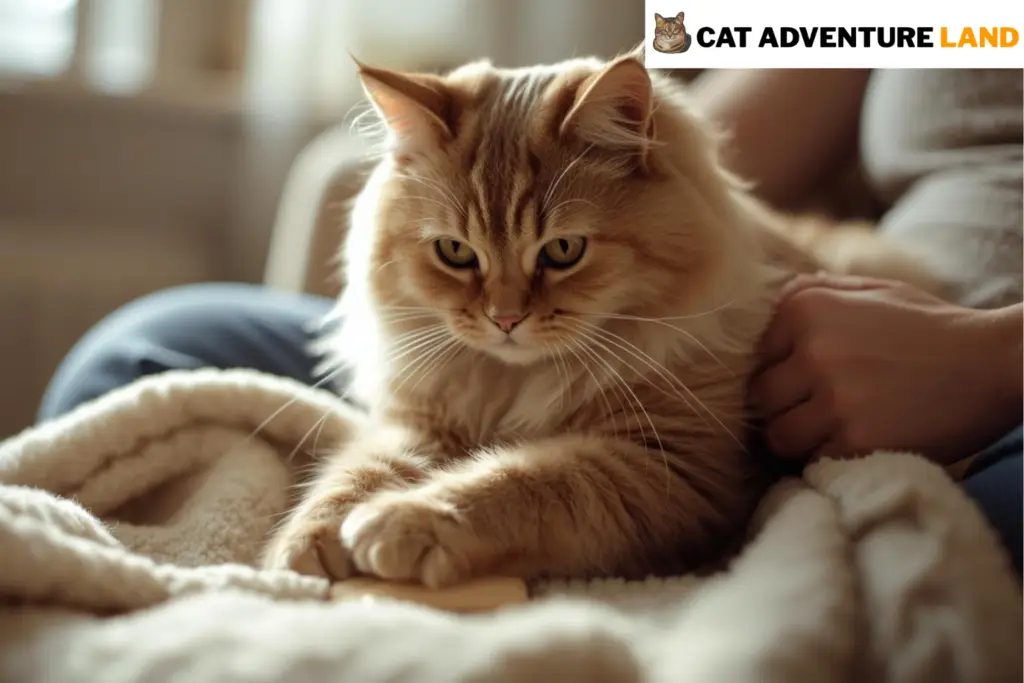
The short answer: you are their safe place
When your cat kneads you, they are expressing comfort, trust, and deep relaxation. The behaviour starts in the first days of life, when kittens press their mother’s belly to keep milk flowing. That motion wires itself into the nervous system alongside warmth and fullness, so adult cats reprise it whenever they feel profoundly secure. A cat making dough on your lap is essentially saying I feel safe with you, in the oldest language they own.
Why you specifically? Check your paws, I mean theirs
Cats do not knead just anyone. Scent glands in the paw pads release subtle pheromones with every press, blending their scent into yours and marking you as familiar territory. It is bonding you can smell, at least if you are a cat. VCA Animal Hospitals explains in their veterinary guide to kneading that the behaviour signals contentment and emotional attachment, which matches what owners see nightly.
Think of it this way. Dogs wag tails. Cats knead. Same message, different hardware.
Yes, it is love. The long answer is better.
Kneading rarely travels alone. It arrives with purring, slow blinking, and the heavy sinking that precedes sleep, a bundle behaviourists file under affiliative bonding. Here is the proof it means love: frightened cats never knead. They freeze or flee. The paws only start pressing in a genuinely relaxed state, which makes a midnight stomach massage one of the purest compliments in the animal kingdom.
It often pairs with gentle mouthing too, the lick and nibble routine of deep contentment. If your baker also tastes the goods, my guide on why cats lick you and then bite you decodes that half of the ritual.
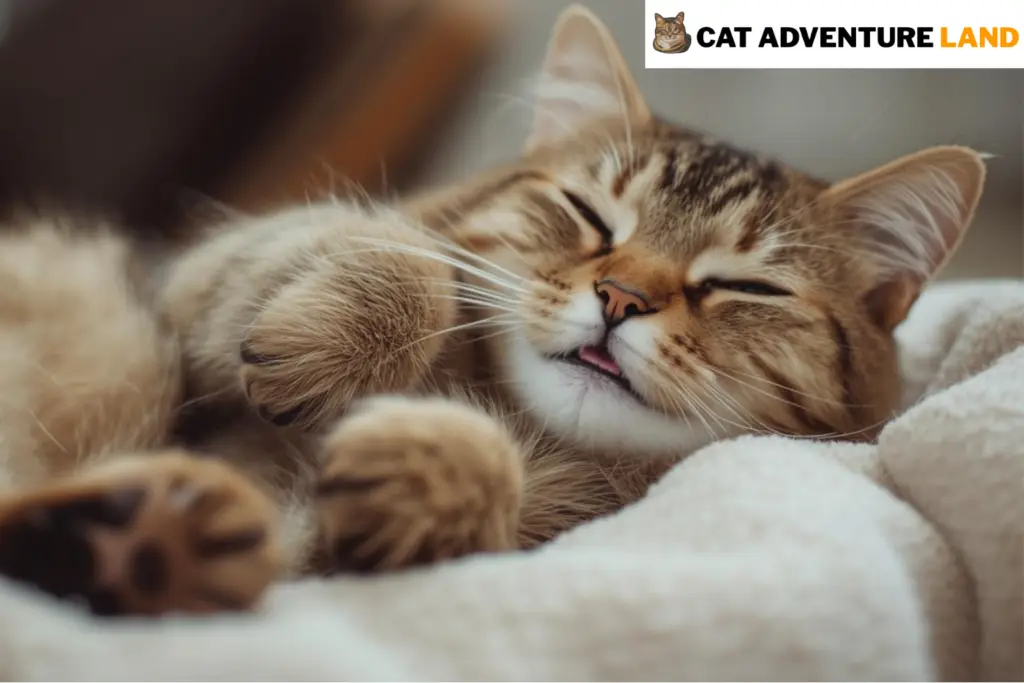
Why blankets and pillows get the same treatment
Texture runs this part of the show. Fleece, cushions, and plush bedding mimic the softness of a mother’s fur and wake the same comfort memory. Nesting instinct piles on: wild ancestors kneaded grass into sleeping hollows, and the reflex survives fully intact in apartment cats. Lap or throw pillow, the emotional function matches. Press, settle, rest.
The science in plain terms
Kneading runs on neural pathways laid down in kittenhood. They never vanish. They idle quietly until calm conditions wake them, which is why the behaviour erupts on cosy evenings and vanishes entirely at the vet clinic. Purring usually joins in, and purrs hum in the 25 to 150 Hz range that some studies associate with tissue healing and stress relief. Whether or not you buy the healing claims, the circuitry is real: kneading is neurologically reinforced comfort, not leftover babyishness.
Kittenhood never fully leaves
Nursing pairs the pressing motion with warmth and nourishment so strongly that weaning cannot erase it. Cats separated from their mothers early often knead hardest, as if making up for lost sessions, and expressive breeds like Siamese and Burmese famously carry vivid kitten behaviours deep into adulthood. Every kneading session is, in a real sense, nostalgia in motion.
Kneading plus purring: peak comfort mode
The combination is the feline equivalent of a lit fireplace and a locked door. Purring steadies breathing and soothes the nervous system, and layered over kneading it signals maximum relaxation. One caveat keeps you honest: cats also purr under stress, so read the whole body. Relaxed kneading shows neutral ears, soft eyes, and claws extending gently. Tension anywhere else rewrites the meaning, and context is the final judge.
Should you stop it? Almost never.
Kneading is natural and suppressing it breeds confusion. Claws, however, are negotiable. Keep nails trimmed, drape a thick blanket over your lap as standard equipment, and gently relocate marathon bakers to a neighbouring pillow. Punishment backfires completely. What works is rewarding the version you like: treat your cat for settling on the blanket instead of bare skin, and the best cat treats for training make that lesson delicious. Comfort cues beat corrections every time.
When kneading signals stress instead
Contentment owns most kneading, but restless repetition paired with vocalising or pacing tells a different story. Watch for the stress cluster: overgrooming, appetite shifts, uncharacteristic aggression, and sudden clinginess. Compulsive feeling sessions deserve a vet conversation, and the American Association of Feline Practitioners publishes excellent guidance through CatVets for owners navigating anxious behaviour. The shorthand never fails: relaxed kneading melts, stressed kneading fidgets.
The thirty second kneading decoder
| What you see | What it means |
| Kneading your lap while purring | Deep trust and contentment |
| Kneading blankets before sleep | Nesting and comfort memory |
| Intense kneading since kittenhood | Strong early imprinting, often early separation |
| Restless kneading plus pacing | Possible stress, monitor and consult a vet |
How to answer the compliment
This is the fun part. Lean in. Pet gently, speak softly, and let the comfort loop run, because every calm session deepens the bond in real time. Scatter kneading stations around the house: soft throws near sunny windows, a heated pad for winter, a quiet corner that belongs to them. Cats that knead on you and shadow you between rooms are expressing one continuous devotion, the following half of which I explore in why cats follow you everywhere.
FAQs about cats making biscuits
Is it normal for adult cats to knead?
Completely. Most adults keep the habit for life, and lifelong kneaders are usually the most securely bonded cats. It fades only if stress or illness overrides comfort.
Why does my cat only knead on me?
Because you are the chosen person. Cats reserve kneading for whoever smells like safety, and paw pheromones mark you further with every session. Single person kneading is exclusivity, not a problem.
How do I stop kneading from hurting?
Trim claws regularly, keep a lap blanket as standard equipment, and redirect to a pillow for long sessions. Never punish the behaviour. Manage the claws, cherish the compliment.
Do kittens knead more than adult cats?
Usually yes, since the nursing association is freshest. Frequency typically settles with age into favourite moments: bedtime, lap time, and reunion cuddles after you have been out.
Flour, paws, and family
Your cat kneads you because you equal warmth, safety, and belonging in a brain that never forgot its first comfort. Instinct supplies the motion. Affection chooses the target. You.
So next time the paws start pressing, smile into it. You are not furniture that happens to be warm. You are family that happens to be kneadable.

Cat Adventure Land is created for cat lovers who want simple guidance that actually helps. Here you get friendly advice on daily cat care feeding grooming training and overall wellbeing. Every article is written with a focus on real life situations so you can understand your cat better and give them a healthier happier life. Our goal is to make cat care easy for everyone whether you are a new owner or caring for a senior cat.